Property type: Retail
Retail Property Bridging Loans Hull
We arrange bridging finance against retail property across Whitefriargate, King Edward Street, the St Stephen's quarter, Princes Quay and the wider East Yorkshire high street. Loans run from £150,000 to £8 million, terms from 1 to 24 months, with completions in 7 to 21 days where the valuation and title cooperate. Most retail bridges in our Hull book are unregulated and price in the 0.75 to 1.25% per month band, depending on LTV, vacancy and exit route.
- Decisions in hours
- Completion in days
- £100k to £25m
- East Riding of Yorkshire specialists
The asset class
What retail property looks like in East Riding of Yorkshire.
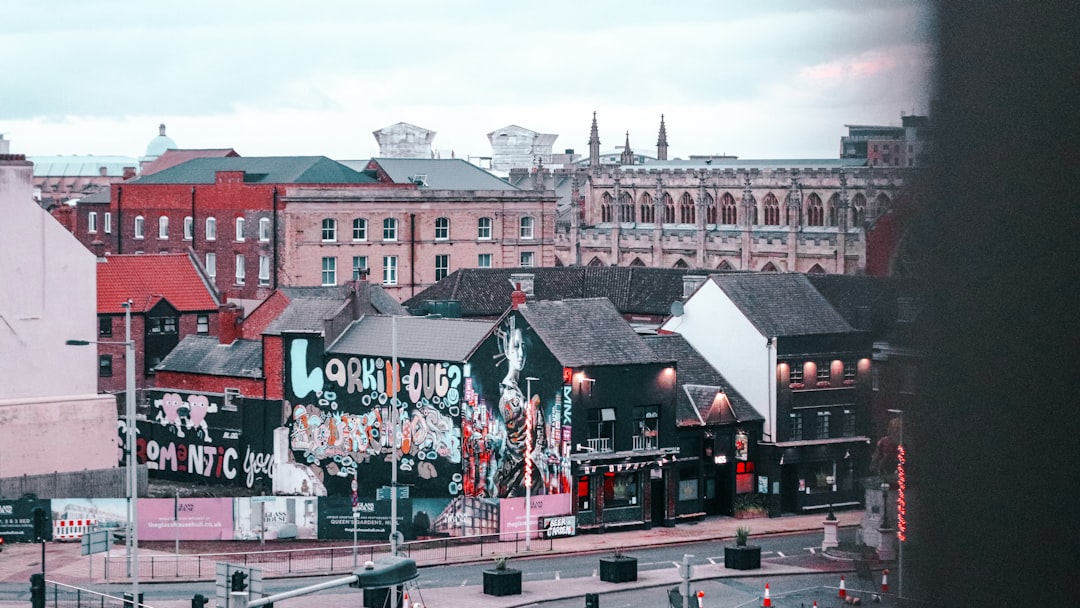
Retail in this part of the East Riding splits into three rough groups. There is the prime city-centre stock around Whitefriargate, King Edward Street, Jameson Street and the St Stephen's frontage, typically 1,000 to 5,000 sq ft with upper-floor offices or flats above. There is the convenience and small-format supermarket stock sitting on local roads in Bransholme, Sutton, Marfleet and the suburban arterials of Holderness Road and Anlaby Road, often with a long lease to a recognisable covenant. And there is the destination-and-leisure retail at Princes Quay and the Fruit Market on Humber Street, where rental tone is set by tourism flow and independent occupiers. Each of these reads differently to a bridging lender, on yield and on vacancy risk both.
Use cases
Bridging use cases for retail assets.
Retail bridging cases that close in Hull sit in a fairly tight set. We see auction purchases of vacant or partly-let parades where the buyer plans a quick lease-up and refinance to term commercial debt. We see purchases of investments coming out of receivership where speed of completion is the price of getting the deal at all. We see lease re-gear cases where a tenant is taking a 10-year lease in exchange for a rent-free period or a capital contribution, and the landlord wants a bridge to fund the works and the gap. We see change-of-use plays where retail with permitted-development or full planning into residential is bought on a bridge, converted, and exited to BTL refinance or open-market sale. And we see capital raises against unencumbered retail held by long-term Hull landlords who want a deposit for the next deal. Across these cases, lenders care more about the exit than the asset narrative. A vague refinance plan, even on a clean property, kills more retail bridges than any building issue.
Hull context
Retail Stock Across the Hull City Centre and the East Yorkshire High Street
Hull retail has had a difficult decade and the underwriters know it. Whitefriargate footfall has shifted east to St Stephen's and south to Princes Quay, the Prospect Centre has rotated tenants more than once, and the secondary parades along Holderness Road, Anlaby Road and Hessle Road have lost a chunk of the discretionary spend that used to support them. That is not the whole picture. Convenience units with food anchors are letting at firm rents, the Fruit Market on Humber Street reads as an independent-led destination with low long-term voids, and the Cottingham and Willerby parades still function as daily-needs centres for the western suburbs. Beyond the city itself, East Riding retail trades on a different curve. Beverley, Driffield and Hessle hold value well as historic market-town centres. Bridlington, Goole and Withernsea sit somewhere in the middle, with the post-pandemic shift toward locally-anchored convenience favouring small-format supermarkets and food-and-beverage over comparison retail. Bridging lenders read all of this. They price the city-centre parade harder, the convenience unit softer, and the change-of-use play on its planning credentials rather than its current rent.
Valuation and lenders
Valuation and lender considerations.
Retail valuations come back on two bases. Vacant possession value is the floor where the unit is empty or where the lease has fewer than three years remaining. Investment value applies where there is a tenant with a recognisable covenant and a meaningful unexpired term. Lenders typically lend on the lower of the two for unregulated bridging, with the LTV cap sitting at 65 to 70% of the operative figure for most cases and 60% where the unit is fully vacant or single-let to a weak covenant. MT Finance, Octane Capital, United Trust Bank, Avamore Capital, ASK Partners and Shawbrook all take retail on bridging, with Hope Capital and Together comfortable on smaller mixed parades. Yield evidence in the right postcode helps; a vague comparable from a different town does not.
What we arrange
What we typically arrange.
On a typical Hull retail bridge we arrange £250,000 to £1.5 million at 65 to 70% LTV, term 9 to 15 months, rate 0.75 to 1.25% per month, arrangement fee 1.5 to 2%. Exit is most commonly a refinance to term commercial debt, a sale of the freehold to an investor, or a planning-led conversion to residential with a sale of the converted units. We package the case in 48 hours, run the valuation and legal in parallel, and complete in 14 to 21 days where the title is clean. Where title insurance is available, auction completions inside 7 days are achievable.
FAQs
Retail bridging questions
Can we bridge a retail unit with a sitting tenant on a short lease?
+
Yes, and that is one of the more common scenarios. Lenders price for the unexpired term and the covenant. A Whitefriargate unit with 18 months left on a lease to a recognisable national operator and a known re-gear conversation in train reads as lower risk than a Hessle Road unit with five years left to an unrated local tenant. The exit usually drives the LTV more than the lease length, so a credible refinance plan to term commercial debt opens the door to 65 to 70% LTV on the right covenant.
How does bridging work on a retail to residential conversion in Hull?
+
We typically arrange the purchase bridge at 65% of the as-is value, plus a tranche for the works released against monitoring surveyor sign-off at staged completion. Once the conversion is complete and the units are either let or under offer, the exit is BTL refinance for retained units or open-market sale for disposals. Permitted-development from Class E to C3 has shortened the planning piece on smaller retail units across the Old Town and the King Edward Street stretch. Article 4 directions need checking on a case-by-case basis with Hull City Council before going to lender.
What rate range applies to retail bridging across East Riding of Yorkshire?
+
Most retail bridges in East Yorkshire price between 0.75% and 1.25% per month. Tenanted investment units with a strong covenant and clear refinance exit sit at the lower end. Vacant secondary stock or change-of-use plays sit at the upper end, with the highest pricing reserved for heavy refurbishment or contested planning positions. Arrangement fees are 1.5 to 2% of the loan, with valuation case-by-case and legal fees on both sides paid by the borrower.
Tell us about the deal
Indicative terms within 24 hours.
A short triage call, then a sized indicative offer against a named lender for your retail property in Hull or across East Riding of Yorkshire.
Regulated bridging on owner-occupied residential property falls under FCA regulation. Unregulated bridging on commercial and investment property does not. We are not directly regulated by the Financial Conduct Authority, and we introduce regulated cases to authorised partners who carry out the regulated activity.
Next step
Talk to a Hull retail bridging specialist.
We arrange short-term finance on retail property across Hull, the City of Portsmouth unitary authority and the wider East Riding of Yorkshire market. Indicative terms in 24 hours.